- Where would an employee find an employers rules of etiquette
- 5 rules of golf etiquette
- What are the 7 rules of flag etiquette
5 rules of golf etiquette
Email etiquette training is crucial for your employees because it helps them communicate effectively and professionally. It ensures that messages are clear, respectful, and considerate, which can enhance relationships with colleagues, clients, and partners buffalo slot machine free download.
In business emails, the key is to be clear and respectful, no matter who you’re writing to. Here, it is important to remember that basic email etiquette can differ depending on the industry and culture, as it is generally influenced by societal norms.
Show your target respect by responding to everything immediately and give a polite reply to each legitimate email addressed to you. Even if you do not have an answer at the moment, take a second to write a response letting the sender know you received their email. This includes when the email was accidentally sent to you, especially if the sender is expecting a reply. A reply isn’t necessary but serves as good email etiquette, especially if this person works in the same company or industry as you.
Email is how many businesses communicate. It’s fast, easy, and accessible. Plus, email is permanent. If you forgot what you were asked, simply find the last email thread for the answer. Email is also effective at disseminating information among team members. However, there is no way to unsend an email.
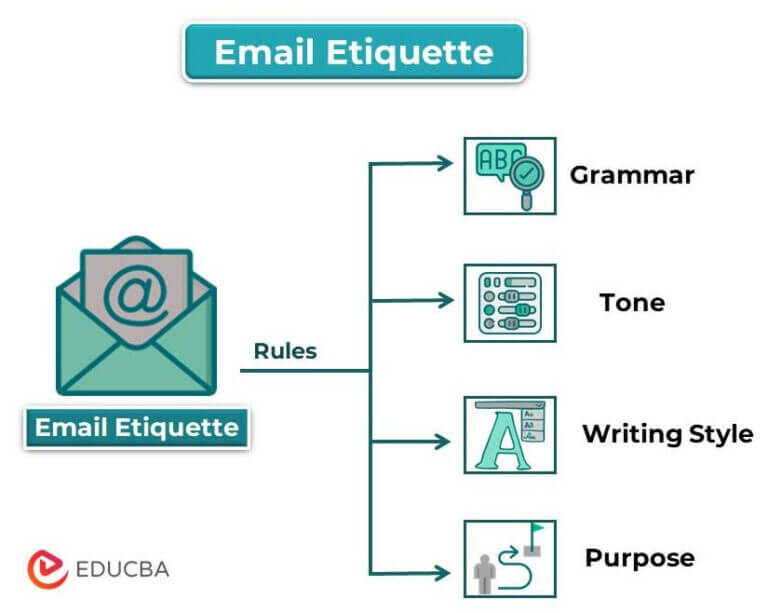
Where would an employee find an employers rules of etiquette
In the professional world, success often hinges not only on skills and qualifications but also on the ability to navigate social interactions effectively. Workplace etiquette, therefore, plays a crucial role in creating a positive and productive environment. From communicating respectfully to fostering a culture of inclusivity, adhering to proper etiquette can enhance professional relationships, boost morale, and contribute to overall organizational success.
Do not indulge in rumors about other staff or the business in the office. Keep a safe distance between the professional and personal life of yourself and others too. When you’re on personal time, hanging out with colleagues, talk of something light and positive rather than office gossip.
Respect in the workplace begins with recognition and something as simple as a greeting can go a long way. Studies show that emotions are powerful communicators in professional settings, and individuals who acknowledge others’ presence and emotions are perceived as more trustworthy. Whether it’s a nod, a “good morning,” or a friendly smile, these gestures help build a more cohesive and supportive work environment.
Security and compliance are two critical aspects of today’s corporate world. And even though we’re quite familiar with the respective online rules and regulations, we may be a bit rusty when it comes to replicating them in an office setting.
This is why 78% of companies offering etiquette training focus on “making polite conversation,” followed by 69% on “writing professional emails.” These aren’t just soft skills they’re core components of office etiquette, essential for building mutual respect and maintaining a positive workplace tone.
5 rules of golf etiquette
Whenever I’m playing with strangers I always say ready golf on the 1st hole to make sure the group plays ready golf vs. honor’s golf. The only time I’d recommend playing honors golf is when someone makes a birdie, eagle or you are in a competitive event.
Here we are on the next hole, and one of the honor rules of golf etiquette comes into play. Traditionally, the player with the lowest score on the previous hole will tee off first. The tee-off order stays the same if there was no outright winner. If it’s an informal game, you can play “ready golf” and not wait for the best score if he is not ready. Ready golf will also help to speed up the play. They encourage it in all stroke play formats.
Go to our email list signup page to join over 10,000 golfers who receive our email list where we send out exclusive information only available to subscribers. As a bonus, receive our Ballstriking First Aid Kit, a quick reference guide to troubleshoot your most common ball-striking issues.
Speaking of talking on the course, another piece of golf etiquette for dummies is to only talk to your golf ball. There is nothing worse than someone saying talking to your golf shot. I hate hearing other golfers say things like “Stay out of the water” or even worse “Great putt” about your shot before it actually went in.
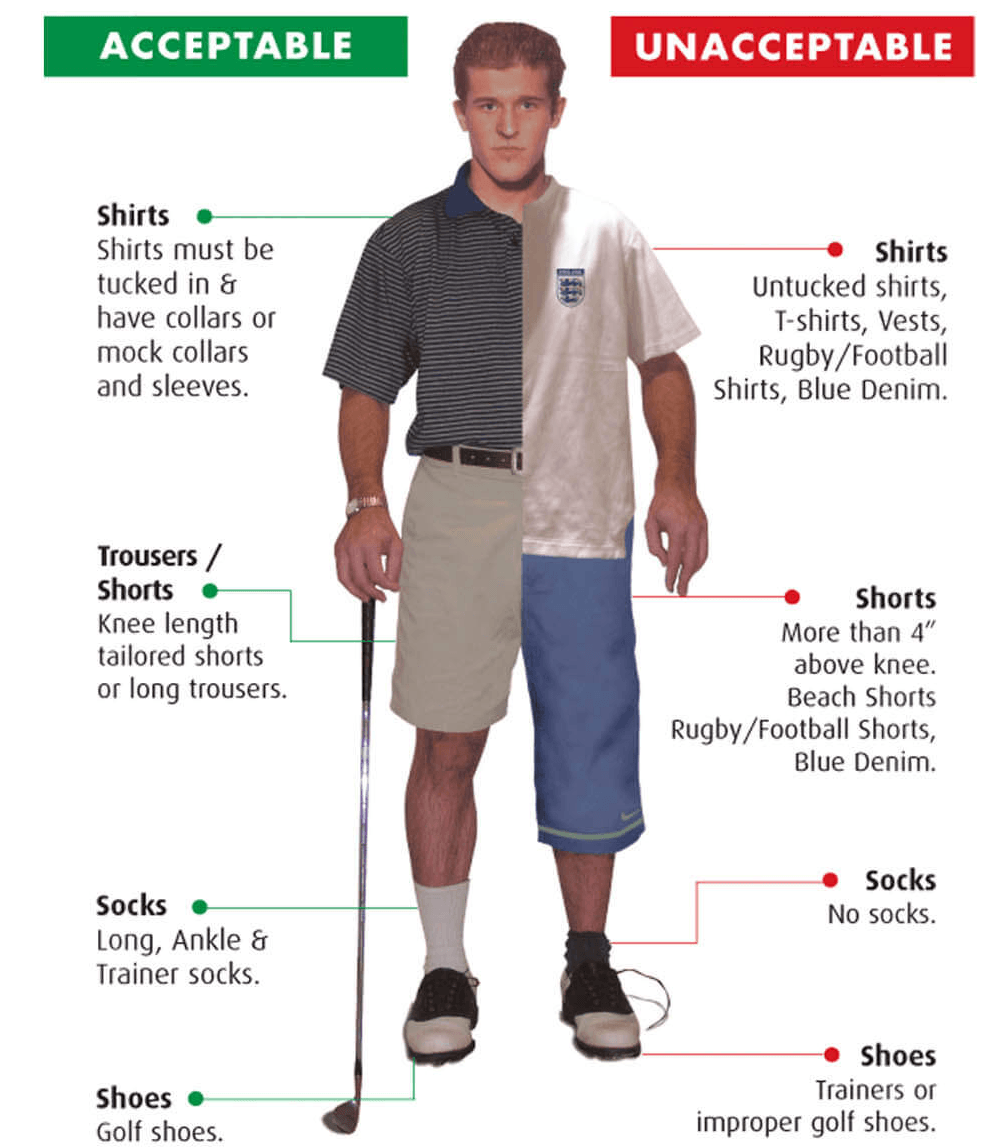
Whenever I’m playing with strangers I always say ready golf on the 1st hole to make sure the group plays ready golf vs. honor’s golf. The only time I’d recommend playing honors golf is when someone makes a birdie, eagle or you are in a competitive event.
Here we are on the next hole, and one of the honor rules of golf etiquette comes into play. Traditionally, the player with the lowest score on the previous hole will tee off first. The tee-off order stays the same if there was no outright winner. If it’s an informal game, you can play “ready golf” and not wait for the best score if he is not ready. Ready golf will also help to speed up the play. They encourage it in all stroke play formats.
What are the 7 rules of flag etiquette
The flag is more than a decoration. It’s a symbol of the country and deserves to be treated with dignity — not used in ways that diminish its meaning or value. Here are some important “don’ts” when it comes to using the flag:
Executive Order No. 10834 issued by President Dwight D. Eisenhower on August 24, 1959, amended the provisions of Title 4, U.S.C., Chapter 1 and established the 50 star Flag as the official Flag of the United States, effective on July 4, 1960.
When displayed from a staff in a church or public auditorium, the flag of the United States of America should hold the position of superior prominence, in advance of the audience, and in the position of honor at the clergyman’s or speaker’s right as he faces the audience. Any other flag so displayed should be placed on the left of the clergyman or speaker or to the right of the audience.
Interesting question! Yes, there is a coat of arms, seal, and color and flag of the president of the United States. It was last updated in 1960 when a 50th star for Hawaii was added, and hasn’t changed since.
The United States Flag Code establishes advisory rules for display and care of the flag of the United States. It is Section 1 of Title 4 of the United States Code (4 U.S.C. § 1 et seq). This etiquette is as applied within U.S. jurisdiction. In other countries and places, local etiquette applies.
